
Kosár








- Hírek
- Allergiák
- Antioxidánsok
- Szív- és érrendszer
- Gyermekek egészsége
- Agy és memória
- Emésztés és bélflóra
- Omega-3 és esszenciális zsírsavak
- Food State® és teljes értékű tápanyagok
- Vendégcikkek
- Egészség és táplálkozás hírek
- Immunrendszer
- Ízületek és csontok
- Magnézium
- Férfi egészség
- Ásványi anyagok
- Multivitaminok
- Bio
- Egyéb
- Várandósság
- Probiotikumok
- Alvás és regeneráció
- Sport és teljesitmeny
- Stressz és szorongás
- Vegán
- Vitaminok
- A-vitamin
- B-vitaminok
- C-vitamin
- D-vitamin
- K-vitamin
- E-vitamin
- Női egészség


Vitamin E – explaining the roles of tocopherols and tocotrienols
Vitamin E is a fat-soluble vitamin which has antioxidant properties. It is therefore considered important for tissues that have a high concentration of fat, preventing lipid peroxidation and thus supporting cell membranes and neurones.


Omega-3 and omega-6 levels – How to personalise essential fatty acid intake
Balancing your client’s omega-3 and omega-6 intake can be a task and a half. Science comes to the rescue by revealing another variable in the equation: recent studies show that certain gene variants impact omega-3 and omega-6 conversion in the body.
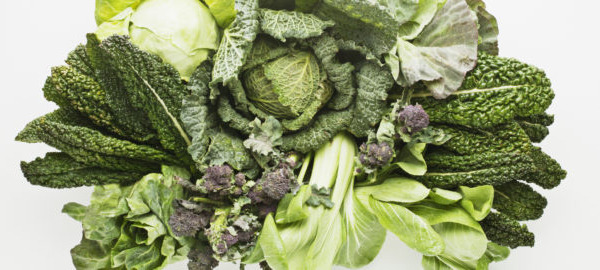
Nutritional interventions for Multiple Sclerosis
Multiple sclerosis (MS) is a debilitating neurological condition which affects about 1 in 1000 people in the UK. Although MS is rarely fatal it can often be disabling with a third of patients losing the ability to walk 15 – 20 years after onset. In this week’s blog, we look at the nutritional interventions for MS.

Age-related macular degeneration – Nutritional support and risk factors
According to the NHS, age-related macular degeneration (ARMD) affects 600,000 people in the UK and this figure is expected to rise to over 700,000 by the year 2020. ARMD is a visual impairment that is so significant it is second only to cataracts in people over 65.

Homocysteine and cognitive decline
A review published last week confirmed that there is clearer evidence to support a role for folate and other B vitamins in slowing the progression of cognitive decline and possibly reducing the risk of depression in ageing. People with low B vitamin status are likely to benefit the most from increasing levels of certain B vitamins.


Coeliac disease – symptoms, risk factors & diagnosis
Whilst awareness of coeliac disease and gluten-free diets in general has grown rapidly in recent years, awareness around specific symptoms and diagnosis methods relating to this lifelong autoimmune condition is still relatively low. Indeed, around 1 in 100 people have coeliac disease but only a quarter have actually been diagnosed.

The link between diet and depression
The issues of mental health are very rarely out of the news and either directly, or indirectly, affect the vast majority of us at some point in our lifetime – whether that be through personal suffering or that of a close friend or family member. Indeed, it is considered that as many as 1 in 4 people suffer with a mental health illness each year.


The importance of personalised nutrition for optimum performance and health
The importance of nutrition in sport was first recognised by the ancient Olympians and today, there remains wide spread acceptance of its role in improving sports performance as well as general health. In fact it has been stated “no single factor plays a greater role in optimizing performance than diet”.