
Kosár











- Hírek
- Allergiák
- Antioxidánsok
- Szív- és érrendszer
- Gyermekek egészsége
- Agy és memória
- Emésztés és bélflóra
- Omega-3 és esszenciális zsírsavak
- Food State® és teljes értékű tápanyagok
- Vendégcikkek
- Egészség és táplálkozás hírek
- Immunrendszer
- Ízületek és csontok
- Magnézium
- Férfi egészség
- Ásványi anyagok
- Multivitaminok
- Bio
- Egyéb
- Várandósság
- Probiotikumok
- Alvás és regeneráció
- Sport és teljesitmeny
- Stressz és szorongás
- Vegán
- Vitaminok
- A-vitamin
- B-vitaminok
- C-vitamin
- D-vitamin
- K-vitamin
- E-vitamin
- Női egészség


Organic food – Is it worth the extra cost?
Over the years there have been conflicting reports on the nutritional benefits of organically farmed produce; with some studies showing little difference in nutrient content between organic and conventional farming. However, there is an increasing amount of evidence in favour of organic foods having a higher content of antioxidants, certain vitamins/minerals and omega-3 fatty acids.

Benefits and cautions of a ketogenic diet
High fat, ketogenic diets are being used therapeutically for a number of health conditions including Alzheimer’s, epilepsy, cancer and obesity. Low in carbohydrate and high in fat – a ketogenic diet might sound like a new idea, but in fact it was the way our ancestors predominantly ate and some would argue it is how we are designed to eat. Ketosis is where the body burns ketones – derived from fats. For most people, glucose from carbohydrates is the main energy or fuel source for the body.

The science of stress and resilience
Stress is more often than not a term that we associate with the negative aspects of our lives; money worries, work life, job security, the list goes on and on. Indeed, there are a huge number of things that can contribute to negative stress. But is there more to stress than meets the eye?


Breaking the vicious cycle of poor sleep and Alzheimer’s disease
Yesterday saw the publication of Professor of Neurology, Dale Bredesen’s much anticipated book “The End of Alzheimer’s”. Professor Bredesen who has spent his life in Alzheimer’s research has developed The Bredesen Protocol™ with which he has, so far, reversed symptoms of diagnosed Alzheimer’s or ‘mild cognitive impairment’ in more than 90% of the 140 patients he has worked with. You can find out more and purchase your copy of the book here.

Chronic fatigue syndrome is linked to high levels of inflammatory molecules – new study
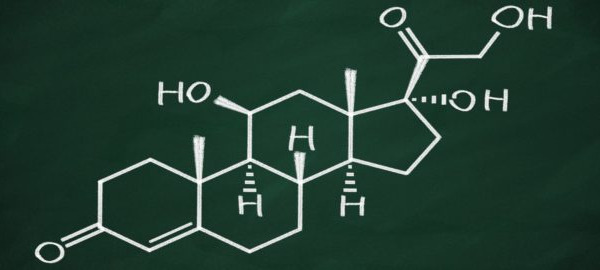
A study published last month showed that chronic fatigue syndrome is an inflammatory disease – researchers were able to show a difference in the levels of 17 different immune system proteins (13 of which were pro-inflammatory) between people with chronic fatigue syndrome and healthy controls; the concentrations of these proteins in the blood correlated with the disease severity. They say the findings provide a solid basis for a diagnostic test.

Benign prostate hyperplasia is on the increase – what is it and how may polyphenols help?
Benign prostate hyperplasia (BPH) is the most common urological condition among elderly men, beginning around the age of 30 and reaching a prevalence of up to 90% in men in their 80s. It is a non-cancerous enlargement of the prostate which may develop gradually over a number of years. The gradual increase in size may be symptom free until it has enlarged sufficiently to press on the urethra and impede the flow of urine. Symptoms of increased urinary frequency, urgency, night-time urination, difficult and slow urination may be experienced as a result; they may be mild through to severe, impacting quality of life.


The importance of nutrition for children’s health
With the summer holidays now just around the corner it can be a great time for kids to be active outdoors. However with pressure of the school year and exams over, as they begin to relax, they can feel worn out and be prone to picking up infections particularly if travelling abroad.