
Kosár

- Hírek
- Allergiák
- Antioxidánsok
- Szív- és érrendszer
- Gyermekek egészsége
- Agy és memória
- Emésztés és bélflóra
- Omega-3 és esszenciális zsírsavak
- Food State® és teljes értékű tápanyagok
- Vendégcikkek
- Egészség és táplálkozás hírek
- Immunrendszer
- Ízületek és csontok
- Magnézium
- Férfi egészség
- Ásványi anyagok
- Multivitaminok
- Bio
- Egyéb
- Várandósság
- Probiotikumok
- Alvás és regeneráció
- Sport és teljesitmeny
- Stressz és szorongás
- Vegán
- Vitaminok
- A-vitamin
- B-vitaminok
- C-vitamin
- D-vitamin
- K-vitamin
- E-vitamin
- Női egészség
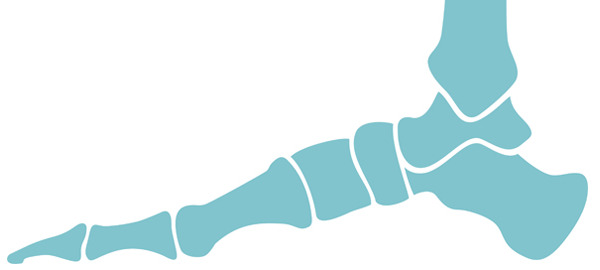
Gout – Signs, symptoms and nutritional support
Gout is an inflammatory form of arthritis and is a condition that is believed to affect around 1 in 50 people around the United Kingdom. As quoted on the NHS website: “Gout is a type of arthritis in which small crystals form inside and around the joints. It causes sudden attacks of severe pain and swelling.”

The prevalence of Vitamin B12 deficiency – An interview with Dr Ayan Panja
Vitamin B12 is a class of chemically related compounds, also called cobalamins that contain cobalt. It is considered the most important factor in the maintenance of nerves and also has a number of other important functions within the body, however deficiency and depletion of B12 are prevalent around the world.


The case for diet as a contributor to non-specific chronic low back pain
Our blog this week is written by nutritional therapist, physiotherapist and exercise specialist Kieran Macphail. In the article, Kieran discusses how diet can influence lower back pain and how dietary and lifestyle changes can help relieve it.
Research surrounding the benefits of CoQ10
“Functioning on low levels of Coenzyme Q10 would be similar to running a car on low-octane fuel. The energy available to drive the car would be inadequate, and would result in misfiring pistons and sluggish, undependable performance”, a quotation taken from Stephen Sinatra’s book ‘The Sinatra Solution’ on the importance of Coenzyme Q10 (CoQ10) for the optimal functioning of the human body.

Vitamin D back in the news – could ‘The Sunshine Vitamin’ prevent colds and flu?
“More than 3 million people across the UK could stave off infections such as colds or flu every year through taking Vitamin D supplements”, ran the headline of The Independent last Thursday. Indeed, vitamin D was dominating the headlines towards the end of last week across all media platforms, and not for the first time. And with 70% of the population suffering from at least one acute respiratory (such as a cold or flu) infection every year, could this latest claim be music to the ears of the UK population?


Is the value of your functional testing getting lost in translation?
Getting bogged down in the detail of functional tests? You’re not the only one. With a greater number of functional and genetic tests out there, some provided by reputable labs, some by lesser known, more “novel” outfits, this is a subject that is now at the forefront of the minds of most health practitioners.


Action Against Alzheimer’s (AAA) Programme
In November last year, new figures from the Office for National Statistics showed that dementia is now the leading cause of death in England and Wales, replacing ischaemic heart disease. It is the leading cause for women and overall, heart disease remains the leading cause for men.
Ask the Professor: Discussing Nutrigenetics in Clinical Practice with Professor Giovanni Scapagnini
“The science of gene-diet interaction is one of the most promising strategies we have in order to improve general health”, a quotation from Professor Giovanni Scapagnini taken from this week’s blog, in which clinical neuroscientist and functional nutrition practitioner Miguel Toribio-Mateas interviews Professor Scapagnini on the complex subject of nutrigenetics and its role in disease prevention and treatment.