
Kosár


- Hírek
- Allergiák
- Antioxidánsok
- Szív- és érrendszer
- Gyermekek egészsége
- Agy és memória
- Emésztés és bélflóra
- Omega-3 és esszenciális zsírsavak
- Food State® és teljes értékű tápanyagok
- Vendégcikkek
- Egészség és táplálkozás hírek
- Immunrendszer
- Ízületek és csontok
- Magnézium
- Férfi egészség
- Ásványi anyagok
- Multivitaminok
- Bio
- Egyéb
- Várandósság
- Probiotikumok
- Alvás és regeneráció
- Sport és teljesitmeny
- Stressz és szorongás
- Vegán
- Vitaminok
- A-vitamin
- B-vitaminok
- C-vitamin
- D-vitamin
- K-vitamin
- E-vitamin
- Női egészség


Evidence-based beauty from within
For this week’s blog, we have invited Miguel Toribio-Mateas to share with us his knowledge on the key natural ingredients known to have a tangible effect on skin. “Everyone loves looking good, whatever their age” says Miguel, who also tells us that “nutrition, good moisturisation, and good supplements can help keep skin glowing and looking its healthiest, regardless of age”. And at 46, Miguel does seem to have been walking the walk as well as talking the talk. But apart from looking like he has been applying some of this knowledge to himself, he will also be substantiating these claims with some good quality scientific evidence.


Staying healthy when travelling
Holiday season is upon us and whether you are planning a short break or a month-long trip, travelling is a big change to the daily routine. Whilst away, later bedtimes, increased alcohol consumption and exposure to different microbes in food and water can result in problems – there is nothing worse than feeling run down with a cold or traveller’s diarrhoea spoiling plans. Being prepared can be useful, so here are some suggestions to help you get the most out of your holidays.

Collagen type II: what is it and how does it work in the body?
Collagen is the most abundant protein in the human body; accounting for approximately 25% of the body’s protein mass. As a major component of connective tissue, it can be found in the skin, muscles and tendons. In the last few years, this protein has gained a lot of attention in the media due to the plethora of scientific studies revealing its ability to support gut integrity, ageing skin, bone mass and joint health.

The sometimes forgotten but essential nutrient choline
We hear a lot about vitamins and minerals such as vitamin C, B12, iron, magnesium, and so on, but one nutrient that is rarely discussed in the media is the importance of dietary choline. Choline is one of the newest nutrients to be added to the list of human vitamins and was officially recognised as an essential nutrient by the Institute of Medicine in 1998.1 Choline is a water-soluble compound that is often grouped with the B vitamin complex, since it has similar functions and properties. Its role in the body is complex and will be discussed in this blog.
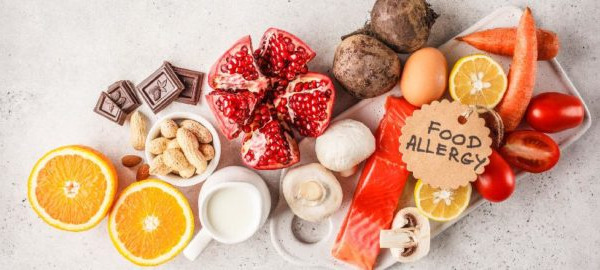
Food allergies – symptoms, mechanisms & nutritional interventions
Food allergies are a common reason for individuals to seek nutritional support and they appear to be becoming more prevalent in today’s society, with six to eight percent of children now affected worldwide.1 The prevention of allergy developing in infancy has been a major concern of healthcare professionals and government advice has sometimes appeared conflicting to parents. The main reason for this is that we are still only just understanding the processes by which allergies develop. Today’s blog discusses research into the causes of food allergies, as well as interventions to help support a healthy immune response to reduce the risk of allergies developing.

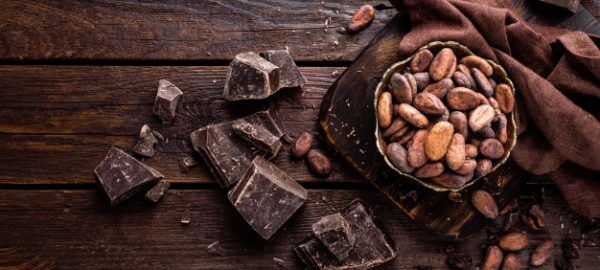
The health benefits of dark chocolate
Many of us can relate to the stress easing benefits that a square or three of our favourite chocolate can bring. For some it’s a daily pleasure, for others, chocolate is that treat at the end of a hard week and we’re sure many would say that it’s the ultimate comfort food.

Lactoferrin – 14 things you need to know
If you’re not already familiar with lactoferrin, then it’s time to get to know this naturally occurring protein. Classed as a glycoprotein, it is primarily secreted by neutrophils (the most abundant type of white blood cell) and through exocrine glands and so is found in fluids such as saliva, tears, semen, bile, digestive juices, urine, blood plasma and amniotic fluid.1