
Kosár

- Hírek
- Allergiák
- Antioxidánsok
- Szív- és érrendszer
- Gyermekek egészsége
- Agy és memória
- Emésztés és bélflóra
- Omega-3 és esszenciális zsírsavak
- Food State® és teljes értékű tápanyagok
- Vendégcikkek
- Egészség és táplálkozás hírek
- Immunrendszer
- Ízületek és csontok
- Magnézium
- Férfi egészség
- Ásványi anyagok
- Multivitaminok
- Bio
- Egyéb
- Várandósság
- Probiotikumok
- Alvás és regeneráció
- Sport és teljesitmeny
- Stressz és szorongás
- Vegán
- Vitaminok
- A-vitamin
- B-vitaminok
- C-vitamin
- D-vitamin
- K-vitamin
- E-vitamin
- Női egészség



Upper gut dysfunction & Gastro-AD
Upper digestive tract symptoms are common, particularly in western society, manifesting as acid reflux, heartburn, gastritis and, in severe cases, gastro-oesophageal reflux disease (GORD). Globally 10-20% of people experience GORD, with a higher percentage in western civilisations1. Currently medical interventions for GORD and other gastric conditions involve symptom management by synthetic pharmaceuticals including proton pump inhibitors and antacids or surgery.

Supporting your mental health after lockdowns
Those who already experience mental health concerns such as anxiety, depression and stress in their lives may feel overwhelmed by all that is surrounding us right now. And many of us who took our mental health for granted, are having to acknowledge the fact that it can be tricky not to feel overloaded with lots of information, testing our resilience by constantly having to adapt to what we are being guided to do by the government and the media, whilst dealing with peer pressure and feeling the effects of isolation and lack of contact {Yamamoto, 2020 #34188}.


Cardiovascular support
Our cardiovascular system is composed of the heart (the pump); blood vessels consisting of arteries, veins, and capillaries (the pipes); and blood containing red and white blood cells, and plasma (the fluid). Cardiovascular disease (CVD) relates to diseases that affect the heart and blood vessels. These can include stroke, heart attack, coronary heart disease (CHD), angina, congenital heart disease etc. According to the British Heart Foundation there are around 7.4 million people living with heart and circulatory disease in the UK, with CHD being the most common. Heart and circulatory disease cause more than a quarter of all deaths in the UK.1

What is the nutrition gap?
Nutrients extracted from the food that we eat are used initially for immediate needs, such as energy production and maintaining a variety of bodily processes. It is only if nutrients are ingested in excess of these immediate functional needs that there will be sufficient left for ‘housekeeping’ processes that support long-term health.

Weight loss interventions
It has been discovered that obesity can increase the risk of a severe Covid-19 infection, therefore you are more likely to have significant complications from Covid-19 if you contract it. It is hence, an opportune time to consider healthy weight loss if you are overweight or obese.

Psychosocial symptoms, chronic low back pain and inflammation | By Kieran MacPhail
Since the turn of the century there has been an increased awareness of psychosocial symptoms in chronic low back pain (CLBP) patients. It’s well established that CLBP patients with psychosocial, psychological and social, risk factors have poorer outcomes and increased management costs (Grimmer-Somers 2006, Nicholas et al. 2011).

Time-restricted eating – what is the ideal eating window? | By Jeannette Hyde
Will you lose weight and be healthier if you eat in a 12, 10 or 8- hour window of time each day? That is the question that has gripped the health world over since time-restricted eating (TRE) mice studies sparked excitement in this area (1, 2, 3, 4, 5). The good news is there is now research on humans to go on.
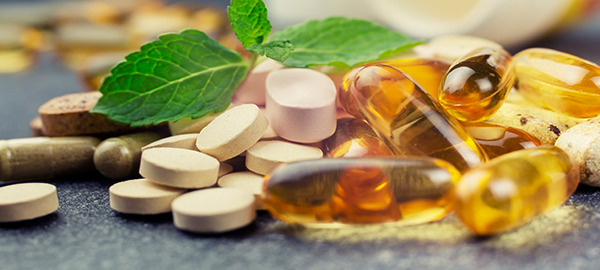
What are Food State and Wholefood Nutrients?
Since conception in 1990, Cytoplan’s philosophy has been that nutrients are best delivered to the body “in the same form as food” hence our range of Food State™ and Wholefood supplements. But we are often asked “what are Food State™ and Wholefood supplements, and what does this mean?”. So in this week’s blog we are going to explain what these terms mean and outline some of the research that has been done on Food State™ and Wholefood products.

Immune support advice from our Nutritional Therapists
There is a vast amount of evidence available for interventions which support immunity, protect against viral infection, and may possess antiviral activity. In addition, new research has emerged and continues to emerge with regards to interventions that have potential to be beneficial against COVID-19.