Kosár






- Hírek
- Allergiák
- Antioxidánsok
- Szív- és érrendszer
- Gyermekek egészsége
- Agy és memória
- Emésztés és bélflóra
- Omega-3 és esszenciális zsírsavak
- Food State® és teljes értékű tápanyagok
- Vendégcikkek
- Egészség és táplálkozás hírek
- Immunrendszer
- Ízületek és csontok
- Magnézium
- Férfi egészség
- Ásványi anyagok
- Multivitaminok
- Bio
- Egyéb
- Várandósság
- Probiotikumok
- Alvás és regeneráció
- Sport és teljesitmeny
- Stressz és szorongás
- Vegán
- Vitaminok
- A-vitamin
- B-vitaminok
- C-vitamin
- D-vitamin
- K-vitamin
- E-vitamin
- Női egészség
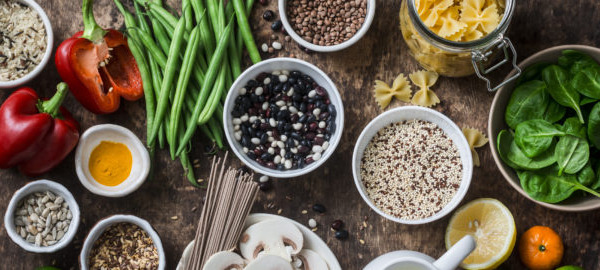

Adrenal health: could tired adrenals be the cause of your fatigue?
In the UK, unexplained tiredness is one of the leading causes for people to visit their GP1. A recent YouGov survey found that around 13% of Britons feel constantly exhausted – a phenomenon so common that it has its own acronym: TATT (tired all the time). A further 25% report feeling exhausted most of the time, and 33% suffer with tiredness around half the time, which can have a huge impact on all aspects of their life.2
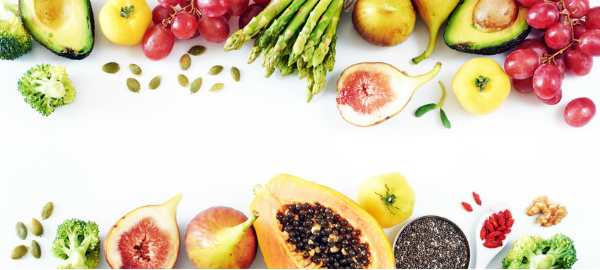
Acne: therapeutic interventions
Acne is a common condition that affects many people at some point in their life, particularly those in their teens and early 20s. Although often perceived as a self-limited disease of adolescence, its prevalence remains high into adulthood. In the UK nearly 90% of teenagers have acne and half of them continue to experience symptoms as adults. By the age of 40, 1% of men and 5% of women still have lesions and currently acne is becoming more prevalent in children.



L-theanine – the meditation compound
Often referred to as the calming amino acid, L-theanine is a neurologically active compound which has repeatedly demonstrated its utility as a relaxing agent1,2 . Along with catechins and caffeine, L-theanine is a key ingredient in tea leaves – which may be why tea is so often associated with a sense of calm and relaxation.
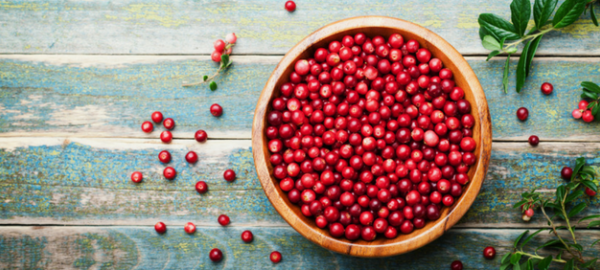
UTIs – symptoms, risk factors and nutritional support
It is estimated that 4 million British women suffer an attack of cystitis each year.1 The incidence of urinary tract infections (UTIs) is highest in women; in younger adults there is a 50:1 female to male ratio, while in patients over the age of 70 years of age the ratio is around 2:1.2 Incidence in both sexes increases with age and can be asymptomatic – it is estimated that up to 30% of people living in nursing homes and other institutions have asymptomatic bacteriuria.2,3
Sugar intake in Children – more than just a weight issue
Sugar intake, particularly in children, is a hot topic in the media these days. However government data suggests that children are still far exceeding the maximum recommended sugar consumption every day. Government recommendations are that sugar should account for no more than 5% of daily calories. When put into more practical terms this means 19g for age 4-6 and 28g for age 7-10 (28g is the equivalent of 7.5 teaspoons).

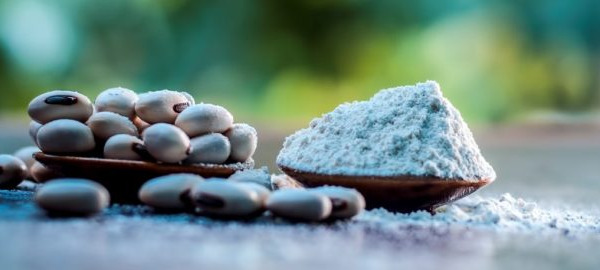
Kapikacchu – “The velvet bean”
Kapikacchu, also known as Mucuna pruriens or “velvet bean”, is a legume which is native to Africa and tropical Asia where it is widely naturalised and cultivated. It is one of the most popular green crops in the tropics where the beans are cultivated for food and the leaves are used for animal fodder.