
Kosár



Maradjon naprakész csapatunk legfrissebb híreivel, bejelentéseivel és szakmai betekintéseivel, valamint az egészség és táplálkozás világának újdonságaival. Blogunk ezen részében vállalati híreket, termékfrissítéseket és a természetes egészség területének fontos fejleményeit osztjuk meg.

The charitable activity of Cytoplan & The AIM Foundation in 2018
Charity is right at the heart of the day to day running of Cytoplan. Since conception in 1980, the philosophy of the company has been built on the foundations of helping others and ‘improving the health of the nation’. This ethos emanates from our charitable owners The AIM Foundation, who have been supporting nutrition, health and well-being projects for close to 30 years.

A low carb Christmas
Low-carb diets are low in carbohydrates, the food group that you find in ultra-processed sugary foods, pasta and bread. Those who are stuck on the “low fat” way of thinking have demonised low carb diets as unhealthy; the reality is that there’s nothing unhealthy about eating a variety of fresh foods rich in protein and nutrients, a diversity of brightly coloured vegetables, natural fats from nuts, seeds and olive oil, and some fruit.

Delaying and slowing cognitive decline
Professor of Neurology, Dale Bredesen, along with medical colleagues from 15 other clinics, recently published a paper describing 100 patients with cognitive decline who had well documented, quantified improvements in cognition using his targeted, multi-component programme.1


Boosting immune health with beta glucan
A report from Public Health England13 has said that the overuse of antibiotics is putting lives at risk. Studies have concluded that millions of routine operations could become life-threatening and experts have warned that a rise in drug-resistant bacterial infections risks pushing medicine “back to the dark ages”. The incidence of septicaemia, in which bacteria are resistant to at least one major antibiotic group, has risen by 35 per cent in four years. For vulnerable people, such as children, the elderly or people with compromised immune systems, antibiotic resistance can be life-threatening. It also significantly increases the risk of routine surgery, organ transplantations and childbirth.


Bone density – diagnosis, nutrients and lifestyle factors
The NHS reports that osteoporosis affects over three million people in the UK. In addition, according to prevalence data from the UK Adult Dental Health Survey, 37% of the adult population has moderate levels of chronic periodontitis, while 8% of the population suffers from severe periodontitis.1

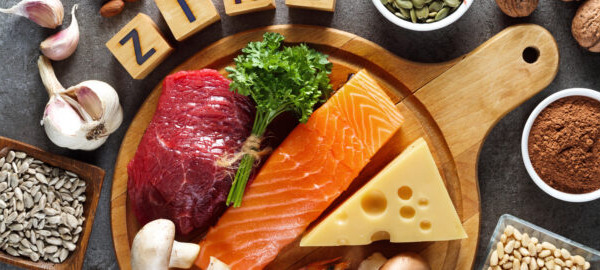
Zinc: everything you need to know about this vital mineral
Zinc is the second most abundant mineral in the body after iron, with over 300 enzymes and 1000 transcription factors dependant on this essential micronutrient. It is involved in many cellular processes such as cell proliferation and differentiation, protein synthesis, gene transcription, nucleic acid metabolism and DNA synthesis.1

The powerful benefits of curcumin for health
This month, our Nutritional Therapist Annie is taking a deep dive into the wide-ranging uses of turmeric, one of nature’s most renowned and powerful herbs, and exploring how its unique properties can be harnessed to effectively support and enhance the health and well-being of your clients in your practice.

The truth behind artificial sweeteners
The sugar tax, introduced in the UK in 2018, has resulted in many brands reducing the sugar content of their products and replacing some of it with artificial sweeteners. Obesity and related conditions such as diabetes and cardiovascular disease are on the increase and eating sugary foods is a significant contributor to these conditions. Thus the use of artificial sweeteners may seem like the perfect solution in the fight against obesity – a sweet taste with little or no calories – and artificial sweeteners are advocated by many organisations including the American Dietetic Association.1