
Kosár









Maradjon naprakész csapatunk legfrissebb híreivel, bejelentéseivel és szakmai betekintéseivel, valamint az egészség és táplálkozás világának újdonságaival. Blogunk ezen részében vállalati híreket, termékfrissítéseket és a természetes egészség területének fontos fejleményeit osztjuk meg.

Chronic fatigue syndrome – supporting energy
Chronic fatigue syndrome is a growing concern in the UK, affecting at least 1 in 250 people and this figure is likely to be wildly underestimated. With the incidence of long covid increasing and becoming a major driver of long-term fatigue, it is an important time to support energy levels.

Supporting menopause with isoflavones
Menopause is a natural transitional part of life that typically affects women between the ages of 45 and 55. It is triggered by a decline in the production of oestrogen from the ovaries, eventually leading to the cessation of menstruation. Although it is a natural part of ageing, the menopause can elicit many symptoms that range from uncomfortable or irritating, to completely debilitating. Oestrogen has multiple roles within the body and this reduction can lead to not only symptoms strongly associated with menopause, such as hot flushes and night sweats, but also can be a trigger for chronic or more serious conditions. Here we look at the functions of oestrogen and how we can use plant-based nutrients with a similar structure to oestrogen to help support women during menopause.

Seasonal allergies
It is that time of year again, the daffodils are blooming, days are getting longer and warmer, and the beginnings of spring have emerged. Unfortunately, for a substantial proportion of the population, it signifies the beginning of a range of debilitating symptoms which can cause a very real burden to everyday life.

PCOS and myo-inositol
Poly Cystic Ovary Syndrome (PCOS) is a common condition affecting reproductive function in women. PCOS may present itself differently across individuals and doesn’t always have the same pathophysiology. Diagnostic criteria, healthcare services, education and geographical location means that diagnosis can differ wildly across the globe, but it is thought to affect 4-20% of women in the world. In the UK, it is estimated that about 1 in every 5 (20%) women in the UK has polycystic ovaries, but more than half of these have no symptoms.1
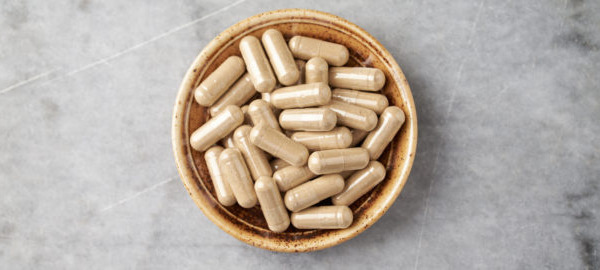
Adaptogens – ancient herbs for modern life
We are living in unprecedented times and for many of us our levels of stress are at an all-time high, and mood and energy levels at a low. According to the World Health Organisation, stress has been classified as the ‘health epidemic of the 21st century’1 and a recent UK-wide stress survey, commissioned by the Mental Health Foundation, found that 74% of adults have at some point over the past year felt so stressed they felt overwhelmed or unable to cope.2 Stress can have a significant impact on our mood, energy and sleep, and can contribute to a range of physical and emotional problems. During this week’s blog we will discuss four remarkable adaptogenic herbs and some of the benefits these wonderful herbs may give to help you keep a handle on stress.

Nutrient requirements through the ages
Our nutritional requirements can vary from one life stage to the next and can alter according to specific reasons such as pregnancy, health problems such as infection or disease, or ageing and medications. Recent nutritional surveys indicate however that many of us, across all age groups, are not even obtaining the most basic level of certain nutrients.1-4

Adaptability and ageing of the immune system
As the landscape of the Covid19 pandemic begins to alter due to developing immunity in the population from both natural infection and vaccination1, we now have a greater understanding of how the immune system adapts during exposure to infections. It is important to note that even though there may be light at the end of the tunnel, our immune response to exposure to the Sars-Cov2 virus is the most important factor as to how our bodies manage covid infections and whether we develop serious disease and/or complications.

Skin microbiome
The skin is the largest organ of the human body and is home to a diverse array of microorganisms which can influence health. These are understood to play a significant role in the hosts immune reactions, wound healing, colonisation of pathogens and skin disorders. A great deal is still to be discovered on how these resident microbes influence health both at the site of where they reside but also the pathways to systemic health which are influenced by these skin microorganisms.1 The information we know so far is what we will look to unpack throughout this blog.

Preconception care: optimising health of baby and mother
Planning a pregnancy is both an exciting and important time. It is always favourable for both mother and father to assess their health before conceiving a child, and address any shortfalls, which will optimise chances of conception, wellbeing in pregnancy and the health of the baby.


Iodine- it’s not just about the thyroid
Iodine is an micromineral which is essential for health and is most strongly associated with thyroid function. Epidemiology suggests that 2 billion individuals worldwide have insufficient iodine intake, with those in south Asia and sub-Saharan Africa particularly affected.1

Sustainable eating: How can we eat to promote our health and the health of the planet?
What, and indeed, how we eat can have a huge impact on not just our own health and wellbeing, but also the health of the planet and ensuring sustainable food supplies for future generations. When we bear in mind that agriculture is responsible for around 25% of all greenhouse gas (GHG) emissions and 80% of deforestation, occupies about 40% of the earth’s surface and uses 70% of the whole planet’s freshwater resources we can really appreciate that the foods we eat directly affect the planet’s future in a big way.1 The production of our food is also one of the largest drivers of biodiversity loss, species extinction and the degradation of natural resources, both on land and in marine systems which are heavily overburdened, with 60% of the world’s fish stocks fully fished, and 30% overfished.2